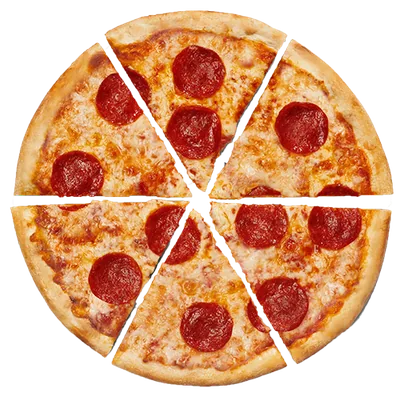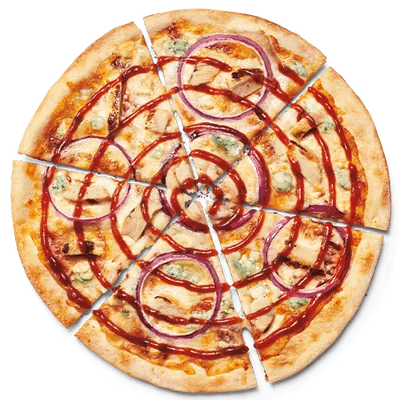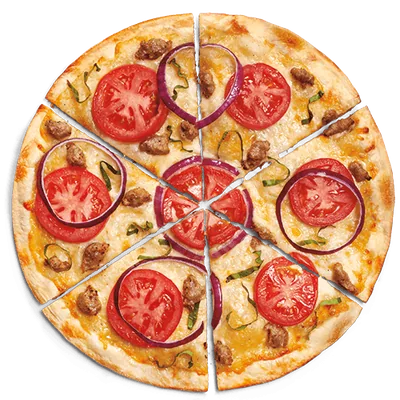
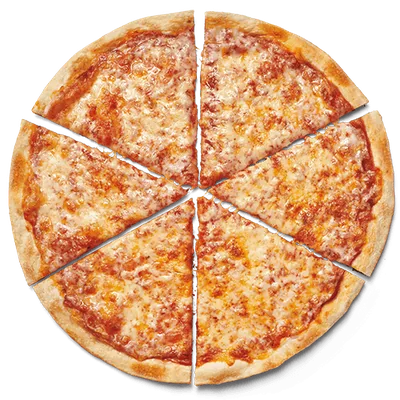
MOD Pizza toppings calories are easiest to research when every value stays attached to its published serving. Crusts are listed as complete crust servings, sauces and finishing sauces are commonly listed per tablespoon, and many cheeses, meats, and vegetables use a quarter-cup reference. Those labels are not interchangeable, and they are not a guarantee that a restaurant will apply exactly that amount to a custom pizza.
This guide uses MOD Pizza official nutrition information captured on 2026-07-14. The tables preserve the source item name, serving label, calories, fat, sodium, carbohydrates, and protein. They are component references for menu research—not an exact build-your-own calculator and not current restaurant portion promises.
How to read MOD Pizza topping nutrition rows
Start with the serving column. A MOD thin crust row describes a complete listed crust. Signature tomato sauce is listed per tablespoon. Mozzarella is listed per quarter cup. Pepperoni includes “5 slices” in its source name while the serving column uses the category’s quarter-cup format. Some vegetable names also include a more specific note such as per tablespoon, per teaspoon, or a slice count.
The safest interpretation is literal: this is what the captured source publishes for the named row and label. Do not silently convert between tablespoons and quarter cups, multiply a Mini crust into a MOD crust, or assume the line uses precisely one published serving in a future restaurant order.
A complete component row can be compared as a source reference. It does not establish the quantity used on an arbitrary custom pizza.
MOD Pizza crust calories and nutrition
| Item | Serving | Calories | Fat | Sodium | Carbs | Protein |
|---|---|---|---|---|---|---|
| Mini (6” thin crust) | Serving as listed | 210 | 2.5 g | 560 mg | 38 g | 7 g |
| MOD (11” thin crust) | Serving as listed | 490 | 6 g | 1310 mg | 88 g | 16 g |
| Mega Thick Crust (11") | Serving as listed | 980 | 12 g | 2620 mg | 176 g | 32 g |
| gluten-friendly | Serving as listed | 710 | 6 g | 850 mg | 156 g | 6 g |
| cauliflower crust | Serving as listed | 590 | 14 g | 1100 mg | 87 g | 18 g |
Crust is the largest single component row in this guide. The captured Mini thin crust is 210 calories, the MOD thin crust is 490, and Mega Thick Crust is 980. The gluten-friendly row is 710 calories and the cauliflower crust row is 590. These labels describe different published products; “gluten-friendly” is not an allergen-free or cross-contact guarantee.
The carbohydrate values also vary materially: 38 grams for Mini thin crust, 88 for MOD thin crust, 176 for Mega Thick Crust, 156 for gluten-friendly, and 87 for cauliflower crust. Use the exact row rather than inferring one crust from another.
Pizza sauce calories per captured tablespoon
| Item | Serving | Calories | Fat | Sodium | Carbs | Protein |
|---|---|---|---|---|---|---|
| sweet bbq sauce | Per 1 tbsp | 30 | 0 g | 110 mg | 8 g | 0 g |
| garlic rub | Per 1 tbsp | 15 | 0 g | 0 mg | 3 g | 1 g |
| extra virgin olive oil | Per 1 tbsp | 120 | 14 g | 0 mg | 0 g | 0 g |
| garlic pesto | Per 1 tbsp | 45 | 4.5 g | 95 mg | 1 g | 1 g |
| signature tomato sauce | Per 1 tbsp | 5 | 0 g | 80 mg | 2 g | 0 g |
| spicy Calabrian chili tomato sauce | Per 1 tbsp | 10 | 0.5 g | 58 mg | 1 g | 0 g |
| creamy alfredo sauce | Per 1 tbsp | 15 | 1 g | 105 mg | 1 g | 0 g |
The sauce rows demonstrate why calories alone are incomplete. Signature tomato sauce is listed at 5 calories and 80 milligrams of sodium per tablespoon. Garlic rub is 15 calories with 0 milligrams in the captured sodium field. Extra virgin olive oil is 120 calories and 14 grams of fat, while sweet BBQ sauce is 30 calories and 8 grams of carbohydrates.
Those figures answer a per-listed-serving comparison. They do not reveal how many tablespoons a specific pizza receives. If you are comparing two menu concepts, use the table to understand the direction and composition of the published component rows, then verify the complete finished recipe or current restaurant preparation when an exact total matters.
MOD Pizza cheese calories per captured quarter cup
| Item | Serving | Calories | Fat | Sodium | Carbs | Protein |
|---|---|---|---|---|---|---|
| asiago | Per ¼ cup | 110 | 8 g | 240 mg | 1 g | 8 g |
| cheddar | Per ¼ cup | 110 | 9 g | 190 mg | 1 g | 6 g |
| plant-based cheese | Per ¼ cup | 80 | 5 g | 220 mg | 8 g | 1 g |
| feta | Per ¼ cup | 70 | 6 g | 330 mg | 2 g | 5 g |
| gorgonzola | Per ¼ cup | 100 | 8 g | 380 mg | 1 g | 6 g |
| mozzarella | Per ¼ cup | 90 | 7 g | 200 mg | 1 g | 7 g |
| parmesan | Per ¼ cup | 130 | 9 g | 540 mg | 2 g | 10 g |
| ricotta | Per ¼ cup | 90 | 6 g | 95 mg | 4 g | 5 g |
The captured cheese rows range from 70 calories for feta to 130 for parmesan per listed quarter cup. Mozzarella and ricotta are each 90 calories, but their fat, sodium, carbohydrate, and protein values are different. Parmesan is listed at 540 milligrams of sodium and 10 grams of protein; ricotta is listed at 95 milligrams and 5 grams.
That comparison is useful when researching components, but a named signature pizza already has a complete recipe row. Do not add a crust, sauce, and every visible cheese row to the signature total unless the source clearly says those are extra servings being added. Otherwise the same ingredient could be counted twice.
Representative meat topping rows
| Item | Serving | Calories | Fat | Sodium | Carbs | Protein |
|---|---|---|---|---|---|---|
| crispy bacon | Per ¼ cup | 140 | 11 g | 550 mg | 1 g | 7 g |
| canadian bacon (5 slices) | Per ¼ cup | 50 | 1 g | 480 mg | 2 g | 9 g |
| grilled chicken | Per ¼ cup | 70 | 2.5 g | 260 mg | 1 g | 12 g |
| seasoned ground beef | Per ¼ cup | 210 | 15 g | 790 mg | 3 g | 18 g |
| mild Italian sausage | Per ¼ cup | 240 | 20 g | 300 mg | 0 g | 13 g |
| pepperoni (5 slices) | Per ¼ cup | 50 | 4.5 g | 180 mg | 0 g | 2 g |
| salami (5 slices) | Per ¼ cup | 90 | 8 g | 340 mg | 1 g | 5 g |
| plant-based Italian sausage | Per ¼ cup | 90 | 6 g | 220 mg | 2 g | 6 g |
Among these representative captured rows, Canadian bacon is listed at 50 calories and 9 grams of protein, grilled chicken at 70 calories and 12 grams, and plant-based Italian sausage at 90 calories and 6 grams. At the other end of this selected group, seasoned ground beef is listed at 210 calories and mild Italian sausage at 240.
Sodium does not follow the calorie order. Grilled chicken is listed at 260 milligrams, spicy or cured meats can have different values, and the full nutrition table should be used when a row not shown here matters. A lower calorie component is not automatically lower in sodium, higher in protein, or suitable for an individual’s needs.
Representative vegetable and “Good Stuff” rows
| Item | Serving | Calories | Fat | Sodium | Carbs | Protein |
|---|---|---|---|---|---|---|
| artichokes | Per ¼ cup unless noted | 30 | 0 g | 150 mg | 8 g | 2 g |
| black olives | Per ¼ cup unless noted | 50 | 5 g | 250 mg | 2 g | 0 g |
| broccoli – roasted | Per ¼ cup unless noted | 15 | 0.5 g | 95 mg | 3 g | 1 g |
| corn – roasted | Per ¼ cup unless noted | 45 | 1 g | 170 mg | 8 g | 1 g |
| chickpeas | Per ¼ cup unless noted | 50 | 0 g | 120 mg | 9 g | 3 g |
| cucumbers | Per ¼ cup unless noted | 10 | 0 g | 0 mg | 2 g | 0 g |
| garlic – roasted | Per ¼ cup unless noted | 60 | 1.5 g | 160 mg | 11 g | 2 g |
| greek olives | Per ¼ cup unless noted | 70 | 7 g | 500 mg | 0 g | 0 g |
| green bell peppers | Per ¼ cup unless noted | 5 | 0 g | 0 mg | 2 g | 0 g |
| jalapenos | Per ¼ cup unless noted | 5 | 0 g | 680 mg | 1 g | 0 g |
| mushrooms | Per ¼ cup unless noted | 0 | 0 g | 0 mg | 1 g | 1 g |
| pineapple | Per ¼ cup unless noted | 40 | 0 g | 5 mg | 10 g | 0 g |
| red onion | Per ¼ cup unless noted | 10 | 0 g | 0 mg | 3 g | 0 g |
| spinach | Per ¼ cup unless noted | 0 | 0 g | 5 mg | 0 g | 0 g |
| vine-ripened tomatoes – sliced (5) | Per ¼ cup unless noted | 20 | 0 g | 5 mg | 4 g | 1 g |
Several captured vegetable rows publish 0 or 5 calories for the listed serving, while others are higher. Black olives and chickpeas are each listed at 50 calories, garlic roasted at 60, and Greek olives at 70. The zeroes shown for items such as mushrooms or spinach are published complete-row values in this snapshot; they are not substitutes for missing data.
Sodium again adds context. Jalapenos are listed at 680 milligrams for the category’s captured serving label, Greek olives at 500, and black olives at 250. Cucumbers and several fresh vegetables show 0 in the captured sodium field. Use the item name and source serving together, especially where the name includes a special note.
Finishing sauce calories per captured tablespoon
| Item | Serving | Calories | Fat | Sodium | Carbs | Protein |
|---|---|---|---|---|---|---|
| balsamic fig glaze | Per 1 tbsp | 30 | 0 g | 95 mg | 8 g | 0 g |
| hot buffalo sauce | Per 1 tbsp | 0 | 0 g | 460 mg | 0 g | 0 g |
| Mike’s Hot Honey | Per 1 tbsp | 70 | 0 g | 0 mg | 18 g | 0 g |
| ranch finish | Per 1 tbsp | 50 | 6 g | 75 mg | 1 g | 0 g |
| tomato sauce dollops | Per 1 tbsp | 5 | 0 g | 60 mg | 1 g | 0 g |
| sriracha ranch | Per 1 tbsp | 35 | 3 g | 120 mg | 2 g | 0 g |
A finishing sauce comes after the base pizza components but still has its own published row. The captured table lists tomato sauce dollops at 5 calories, balsamic fig glaze at 30, sriracha ranch at 35, ranch finish at 50, and Mike’s Hot Honey at 70 per tablespoon. Hot buffalo sauce is listed at 0 calories but 460 milligrams of sodium.
This is a good example of why a zero calorie value is not the whole nutrition story. It is also why the site keeps every complete field rather than replacing unknown or unexamined fields with a calorie-only card.
Can you add these rows to calculate a custom pizza?
You can use the rows as a worksheet only if the published servings truly match the quantities being modeled. This site does not claim that a restaurant’s custom pizza uses exactly one quarter cup of each selected topping or one tablespoon of every sauce. Preparation, distribution, substitutions, extra or light requests, and local practice can all change the amount.
For that reason, the MOD Pizza Calorie Calculator totals complete finished pizza, salad, and supported side rows. It does not present an arbitrary ingredient list as a verified restaurant total. The menu guide is the better place to discover build-your-own groups, and the Nutrition page is the better place to inspect every complete component row.
Complete rows versus menu-only calorie labels
The full nutrition dataset used here contains calories plus the other required fields. A menu page may also publish a calorie label or range without complete fat, sodium, carbohydrate, or protein values for the same exact item. This guide does not turn those partial labels into complete rows, and it never fills absent fields with zero.
That distinction is especially important when comparing toppings. A visible menu label can answer a narrow calorie question, while a complete nutrition row can support a wider comparison. Neither one establishes the exact portion used in a future custom order unless the source says so.
Allergen and current-source limits
Nutrition rows do not prove that a component is allergen-free. The MOD Pizza allergen reference preserves separate published markers and shared-preparation warnings. Ingredient text and nutrition values must not be used to invent an allergen state. Verify current information and discuss preparation with the restaurant when an allergy or medical condition affects the order.
Use these tables to research captured components, then return to the MOD Pizza nutrition blog for complete recipe and salad comparisons. The reliable habit is to keep every number attached to its item, serving label, source date, and known limitation.